Serving Reading, PA and surrounding areas. (484) 516-0656
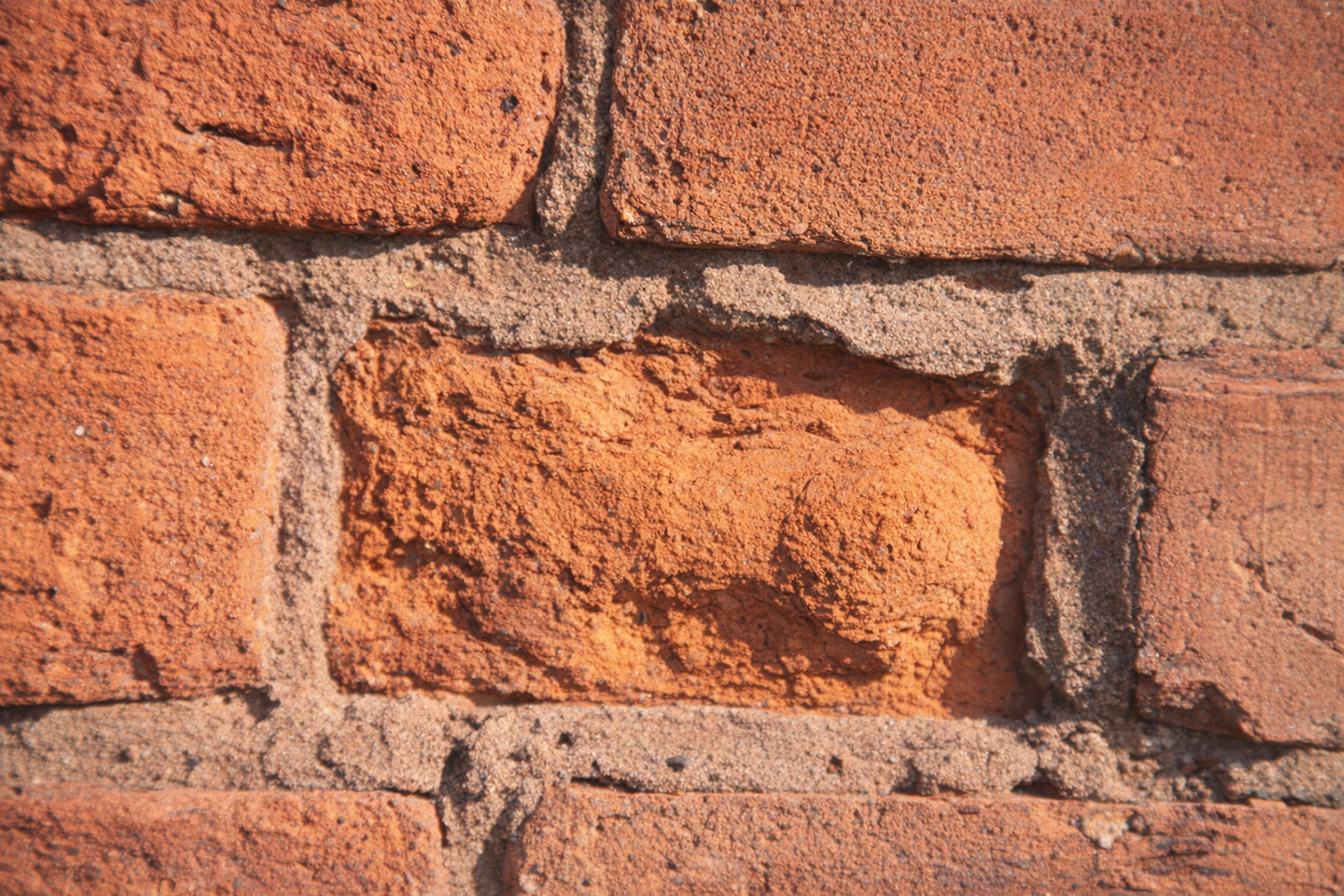
Failing mortar joints let water into your walls. In Reading winters, that water freezes and pushes things apart. We remove the old mortar, match the new mix to your brick, and test the color before we commit to the full wall.
Brick pointing in Reading, PA means removing deteriorated mortar from between your bricks and replacing it with fresh mortar - a single chimney or small wall section takes one to two days, while a full exterior on a two-story row home typically runs a week or more, depending on how much of the wall needs attention.
Mortar is softer than brick by design: it absorbs movement and moisture so the bricks themselves do not crack. In Reading, freeze-thaw cycles attack that mortar relentlessly. Most mortar starts showing wear after 25 to 30 years, but the city's cold winters can shorten that window considerably. Once joints fail, water moves into the wall, freezes, and begins cracking or spalling the brick face - a much more expensive repair than replacing mortar alone.
If damage has already moved beyond the mortar into the brick itself, we can combine pointing with targeted tuckpointing work so the wall finishes looking consistent rather than patchwork.
Stand back from your wall and look at the lines between the bricks. Gaps, dark voids, or mortar that flakes away in chunks are a clear sign water is getting in. You should not be able to press a key or fingernail into the mortar - if you can, it has already softened enough to let moisture through.
A chalky white residue on your brick surface - called efflorescence - means water is moving through the wall and carrying mineral salts to the surface. In Reading's wet springs and snowy winters, this is a common early warning. It does not mean the wall is about to fall, but it does mean water is getting in somewhere, and the mortar joints are the most likely entry point.
If you own one of Reading's many row homes or twin houses built before World War II and cannot find any record of pointing work, the mortar is almost certainly overdue. Mortar from that era has faced 80-plus years of freeze-thaw cycles. A quick visual inspection by a mason costs nothing and tells you where you stand.
If you notice moisture on exterior-facing interior walls after a steady rain, failing mortar joints are one of the first things to check. Reading gets meaningful rainfall in spring and fall, and a compromised wall does not need a major storm to let moisture through - a few hours of steady rain is enough.
Every pointing job starts with removing old mortar to the correct depth - roughly three-quarters of an inch back into the joint - using a grinder or chisel worked carefully so the surrounding brick is not damaged. The joints are cleaned before any new mortar is packed in by hand, then tooled to match the original profile of the wall. We work in sections, so part of the wall finishes while the crew is still working on another area. For Reading homes built before 1945, mortar matching is not optional: modern hard mortar used on older soft brick causes the brick to crack over time rather than allowing the mortar to absorb movement the way it was meant to. We mix to the age and hardness of your wall, not to a one-size standard. If the scope of your project also touches on foundation repair - water has a way of traveling from failing joints down into foundations - we can assess both during the same site visit.
Before committing to the full wall, we apply a small test batch to an inconspicuous area and let you see the color match once it dries - because wet mortar looks different than cured mortar. Fresh pointing needs 24 to 48 hours before it can get wet, and about a month to reach full strength. We walk you through the curing period before we leave and tell you what to watch for on the finished wall.
Best for row homes or twins where joints have deteriorated across the full exterior and a wall-by-wall approach will cover the most ground before the next winter.
Best for homeowners who can see cracking or gaps at the chimney and want to stop water entry at the top of the structure before it works its way down.
Best when deterioration is limited to one wall face or a specific section and a targeted repair is more practical than a full exterior project.
Best for Reading pre-war homes where new mortar must be matched in hardness and color to the original mix to avoid stressing older soft brick.
Reading has a large concentration of brick row homes and twin houses built between the 1880s and 1940s - a housing stock that is soft, porous, and subject to winters that swing above and below freezing multiple times per season. Every freeze cycle pushes a failing mortar joint a little wider. Homeowners in dense neighborhoods like Hampden Heights or the Buttonwood area face an added complication: row home construction means shared walls. When mortar fails on one unit, water can travel laterally and affect neighboring walls. If your neighbor has visible joint damage, it is worth inspecting your own side even if nothing looks wrong from the street. The Brick Industry Association is a useful starting point for understanding how mortar performance varies with brick type and age.
Homeowners in West Reading and Shillington deal with the same freeze-thaw conditions, and many properties there share the same pre-war brick characteristics. If your home is in or near one of Reading's designated historic neighborhoods, check with the city's planning office before work starts - some areas require that mortar color and texture be consistent with the existing streetscape. A mason familiar with local requirements can help you sort that out quickly.
You call or message us, and we ask a few basic questions: how old is the home, what does the damage look like, and where is it on the building. We do not quote over the phone before seeing the work. We respond within one business day and schedule an on-site visit.
We walk the home and look closely at the mortar joints - checking which areas need full replacement versus spot repair, and whether any bricks have already been damaged. For older Reading row homes, we assess what type of mortar your wall was originally built with so the new mix can be matched appropriately.
Before any full-wall work begins, we apply a small test batch to a low-visibility area and let you see the color match once it dries. Wet mortar looks lighter than cured mortar, so this step avoids surprises on the finished wall. Once you approve the color and scope, the crew gets to work.
The crew works section by section across the wall - grinding out old mortar, packing in new mortar, and tooling joints to the correct profile. When the job is done, they clean the site and walk you through the curing period: 24 to 48 hours before rain, and a full month before applying any sealant.
Free on-site visit. Written quote before any work starts. Response within one business day.
(484) 516-0656Reading's pre-war row homes need a softer mortar that works with older brick, not against it. We test existing mortar before selecting the new mix - so the pointing strengthens your wall rather than quietly stressing the original brick over the next decade.
One of the most common complaints after pointing work is that the new mortar looks wrong. We apply a test batch to a low-visibility area before any full commitment, letting you see the dry color match before the crew moves across the wall. What you see is what the finished job looks like.
Attached row homes and twins make up a large share of Reading's housing. We understand the shared-wall considerations, the typical joint depths on pre-war construction, and the narrow seasonal window for mortar work in Berks County's climate - details that matter when scheduling and scoping a job correctly.
Pennsylvania requires home improvement contractors to register with the state Attorney General's Office under the Home Improvement Consumer Protection Act. This registration is public and verifiable. Ask any contractor for their registration number before signing anything - a legitimate contractor will have it ready without hesitation.
Mortar matching, color testing, and transparent written estimates are not extras - they are the baseline for pointing work done right on an older home. That is how we approach every row home and twin in Reading, and it is why homeowners call us back when the next project comes up.
Structural repairs for foundations showing cracks, settling, or water entry that goes beyond surface mortar work.
Learn MorePrecision joint work for homeowners who want a refined finish alongside standard mortar replacement.
Learn MoreWe are scheduling now for spring and summer - spots fill fast once the weather cooperates in Berks County. Call or submit a request today.