Serving Reading, PA and surrounding areas. (484) 516-0656
Crumbling mortar, white staining, and water in the firebox are signs your chimney needs attention. We inspect, diagnose, and repair before the next freeze-thaw cycle makes it worse.
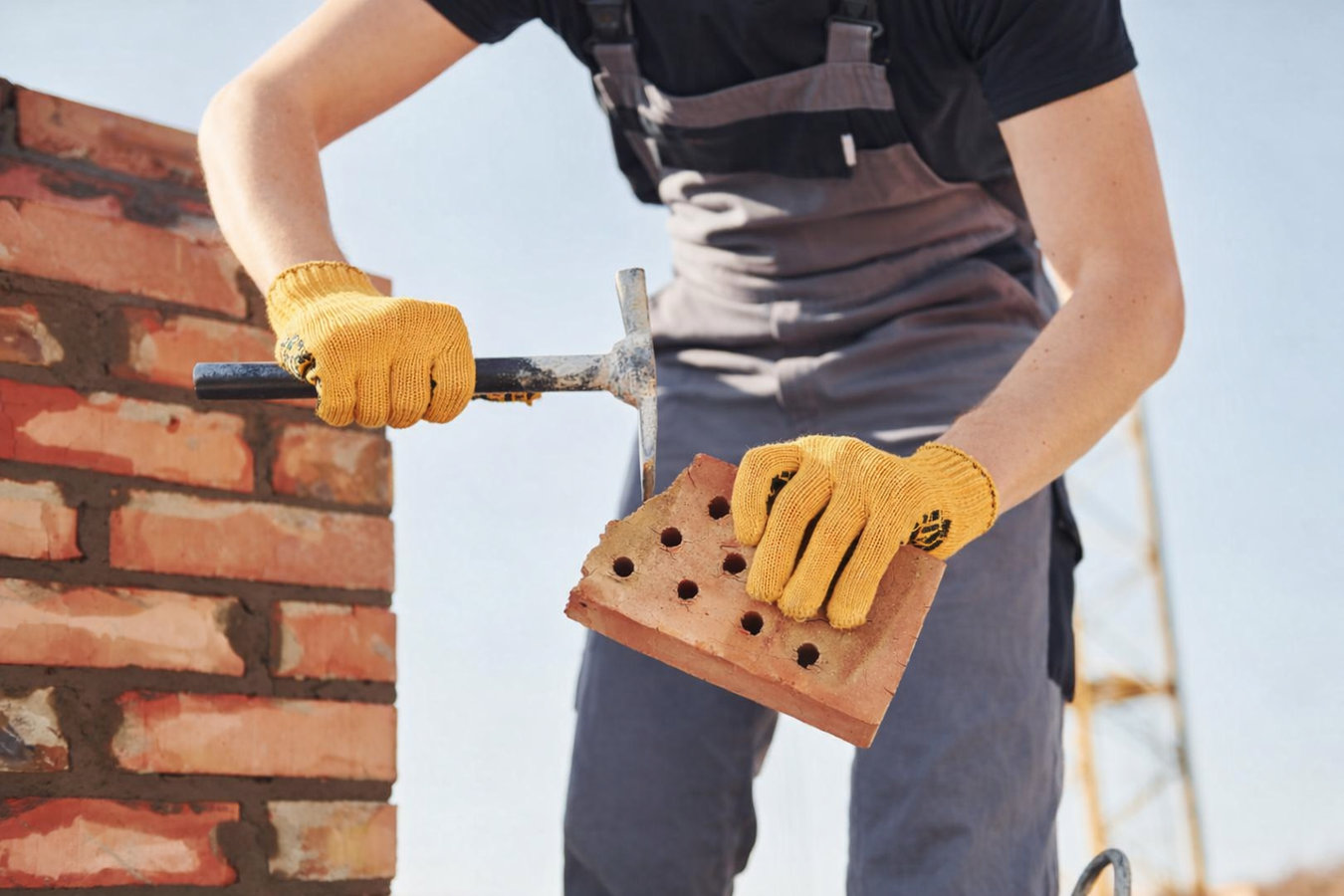
Chimney repair in Reading, PA addresses deteriorated mortar, cracked crowns, failed flashing, and damaged brick - protecting your home from water intrusion and keeping combustion gases out of your living space, with most straightforward repairs completed in one to two visits.
Your chimney does more than carry smoke outside. It also keeps carbon monoxide and other combustion gases from backing up into your home. When mortar crumbles, the crown cracks, or flashing fails, water gets in - and in a city like Reading, where freeze-thaw winters are the norm from November through March, that water expands inside every crack and makes the damage worse every single season.
If your home has a fireplace, it is also worth considering fireplace installation or upgrades alongside chimney repair - and for chimneys where the mortar joints throughout the brickwork are worn but the bricks themselves are still solid, tuckpointing is often the most cost-effective standalone repair.
Chalky white streaks or patches on the brick - called efflorescence - are a sign water has been moving through the masonry and leaving mineral deposits behind. In Reading, where freeze-thaw cycles push water deep into brick and mortar every winter, this staining often means the damage is already underway inside the chimney, not just on the surface.
Stand back and look at the joints between the bricks on your chimney. If the mortar looks recessed, sandy, or like it is falling out in places, it is no longer doing its job of keeping water out. This is one of the most common problems in Reading's older homes, where original mortar has had decades of freeze-thaw stress working against it.
If you notice dampness inside the firebox after rain, or brown staining on the ceiling near where the chimney passes through, water is getting in somewhere it should not. This can mean a cracked crown, a missing cap, or deteriorated flashing where the chimney meets the roof - all of which need attention before the next rainy season.
When water freezes inside a brick and expands, it can pop the face right off. You will see this as rough, cratered, or flaking surfaces on individual bricks. This is called spalling. Once a brick starts spalling, it absorbs water even faster, so the damage compounds quickly if left alone.
Most chimney repairs in Reading fall into one of a few categories, and the right approach depends on what the inspection reveals. The most common repair is mortar repointing - removing the worn-out mortar from the joints between bricks and replacing it with fresh material matched to the age and type of your chimney. For older Reading homes with lime-based original mortar, this means using a compatible softer mix rather than a hard modern cement that can crack surrounding bricks. When the mortar between bricks is the only problem and the bricks themselves are solid, targeted tuckpointing handles it efficiently.
Beyond the mortar joints, we address chimney crown repair and sealing, cap replacement, and flashing repair where the chimney meets the roofline - all common entry points for water in Reading's wet springs and heavy rain seasons. For chimneys where bricks have spalled or shifted, we replace damaged sections and rebuild to restore structural integrity. If the flue liner is cracked or missing, we assess whether relining or a full liner installation is the right call. And for homeowners who want a fully upgraded hearth, fireplace installation work can be coordinated alongside the chimney repair to minimize disruption.
Best for chimneys where the brickwork is still sound but the mortar joints are recessed, sandy, or crumbling - a common condition in Reading's older housing stock.
Best for chimneys where the concrete slab at the top has cracked, allowing rainwater to pour directly into the flue and accelerate damage below.
Best for chimneys that are leaking at the roofline or at the flue opening - two of the most common and most preventable sources of water damage in the area.
Best for chimneys where freeze-thaw spalling or structural damage has compromised individual bricks or full sections beyond what repointing alone can fix.
Berks County averages around 25 inches of snow per year, and temperatures regularly swing above and below freezing throughout winter and early spring. Every time water soaks into a small crack and freezes, it expands and forces that crack wider - a process that can turn a minor mortar gap into a serious structural problem over just a few seasons. Reading's older housing stock compounds this: a large share of the city's homes were built before 1950 with softer lime-based mortars and construction methods that predate modern chimney standards. Many of these chimneys have never had a professional inspection, and what a contractor finds inside can sometimes surprise longtime homeowners.
We serve the full Reading metro, including Wyomissing and Lebanon, where the same freeze-thaw conditions and older housing stock create nearly identical chimney challenges. Dense neighborhood layouts with row homes and shared chimney walls require extra care during setup and cleanup, and we plan for that before we arrive.
We ask about your home's age, the last time the chimney was looked at, and what prompted you to call. We schedule a visit, usually within one to two weeks. Fall is our busiest season, so calling in late summer gives you the most scheduling flexibility.
We examine the brickwork, mortar joints, crown, cap, flashing, and the inside of the flue. After the inspection we walk you through what we found in plain terms and give you a written estimate that breaks down what needs to be done and why. We reply to all inquiries within 1 business day.
For larger jobs like rebuilding a chimney section or replacing the liner, we apply for a permit through the City of Reading before work begins. A reputable contractor handles this for you. Permitted work means an inspector signs off, which protects you and matters when you sell the home.
Most of the work happens on the roof and outside, so your daily routine is rarely disrupted. New mortar needs 24 to 48 hours to cure in dry weather before you use the fireplace. We tell you the specific wait time for your job and walk you through what was done before we leave.
Book in late summer or early fall for the best scheduling and curing conditions. We reply within 1 business day and give you a written estimate before any work begins.
(484) 516-0656We carry the licenses and insurance Pennsylvania requires for chimney and masonry work. Every job that needs a permit gets one - and we handle that process so you do not have to worry about paperwork or compliance.
Older Reading chimneys were often built with softer lime-based mortars. Using the wrong modern material causes surrounding bricks to crack. We match repair materials to what is already there - the right approach for chimneys that have seen 70 or 80 winters.
We are direct about timing: late summer and early fall repairs protect your chimney before freeze-thaw damage begins. Booking early in the season means more scheduling flexibility and mortar that cures in ideal conditions.
Many Reading properties sit close together, and some row homes share chimney walls with adjacent properties. We plan scaffold setup, debris containment, and neighbor access in advance - no surprises on the day of work.
The Chimney Safety Institute of America recommends annual chimney inspections and emphasizes that certified contractors match repair materials to the original construction. The National Fire Protection Association standards for chimneys and fireplaces require annual inspection and cleaning for chimneys in regular use. We follow both in our inspection and repair process - so you know the work is not just cosmetically sound but meets recognized safety standards.
Chimney repair often goes hand in hand with these services - many homeowners address them in the same visit.
When the bricks are solid but the mortar joints throughout the chimney or walls are worn, tuckpointing restores the weatherproof seal without a full rebuild.
Learn MoreUpgrading or installing a fireplace alongside chimney repairs lets you coordinate both projects in one season and avoid duplicate disruption to your home.
Learn MoreIf you have noticed staining, crumbling mortar, or water in the firebox, this fall is the right time to act. Call us now and we will schedule your inspection before the freeze-thaw season begins.