Serving Reading, PA and surrounding areas. (484) 516-0656
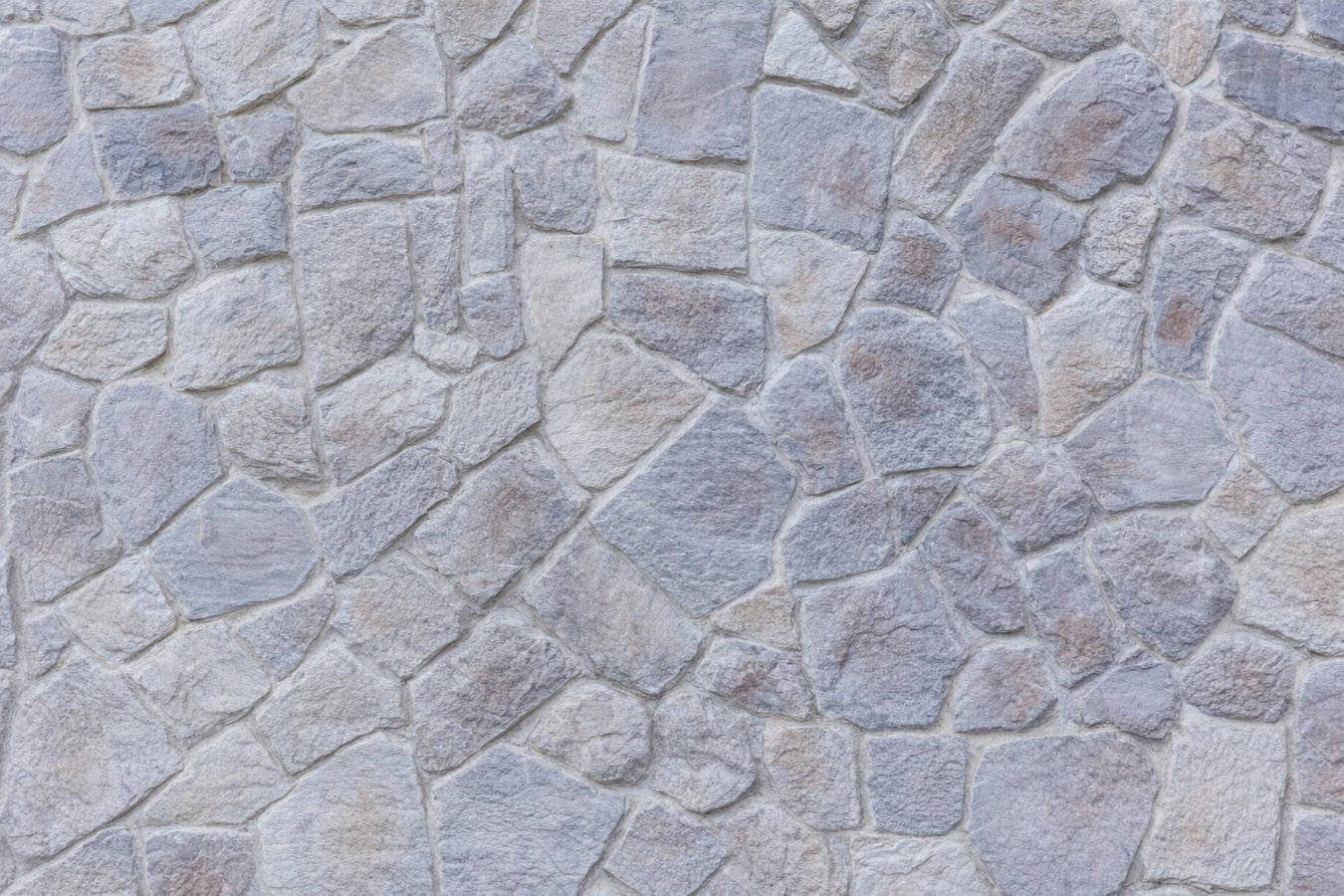
Crumbling mortar, leaning retaining walls, and cracked chimneys only get worse through Reading winters. We repair and build stone masonry that holds up to the freeze-thaw cycles Berks County is known for.
Stone masonry in Reading, PA covers repairs and new construction using natural or cut stone held together with mortar - a straightforward chimney repointing takes one to two days, while a full retaining wall or foundation repair typically runs three to seven days depending on size and access.
Most homeowners in Reading are dealing with masonry that is 80 to 120 years old. The stone itself often holds up fine; the mortar between the stones is what fails first. When mortar cracks and crumbles, water gets in behind the stones. In Reading winters, that water freezes, expands, and pushes things apart - what started as a mortar problem becomes a structural one. Addressing the mortar early is almost always cheaper than waiting.
If your home also has brick joints that need attention, we can coordinate brick pointing work alongside a stone masonry project so both get done in one visit and on one timeline.
Run a finger along the joints on your chimney, foundation, or retaining wall. If mortar crumbles or has gaps you can press into, water is already getting behind the stones. In Reading winters, that moisture freezes and widens the gap every season until stones start to shift.
A stone retaining wall that bows outward or no longer stands plumb has lost its grip on the soil behind it. This is common on Reading's hillside lots after wet winters. A leaning wall will not correct itself, and the longer it goes unaddressed, the more expensive the repair becomes.
Damp spots on basement walls, white chalky residue on stone, or actual water entry along older foundation walls are signs that mortar joints have failed. Reading's pre-war stone foundations were built before modern waterproofing methods, and the mortar holding them together has a finite lifespan.
If you can wiggle a stone in a staircase, chimney, or garden wall - or if the flat cap at the top of your chimney is cracked or tilting - the structure has lost integrity. Loose stones are a safety issue on steps or chimneys. A cracked cap lets water directly into the flue and accelerates deterioration of the masonry below it.
We handle both repair and new-build stone masonry. On the repair side, most jobs start with removing deteriorated mortar from the joints, cleaning the stone surfaces, and packing in fresh mortar matched to the original mix. For Reading homes built in the late 1800s and early 1900s, that matching step matters: modern mortar is harder than the soft historic brick and stone used then, and using the wrong mix can crack the original material over time. If your project calls for a complementary masonry restoration scope - cleaning, consolidating, or rebuilding deteriorated sections - we can work that into the same project rather than treating it as a separate job.
For new construction, we build retaining walls, garden walls, stone steps, and decorative outdoor structures from the base up. Every retaining wall gets a drainage plan - without it, water pressure builds behind the wall over wet winters and eventually pushes it over. We use natural fieldstone, bluestone, limestone, or manufactured stone depending on what your project calls for and what will blend with your existing property. Each site gets a written estimate before any work starts.
Best for homeowners with crumbling mortar joints on a chimney, garden wall, or foundation who want to stop water entry before the next hard winter.
Best for Reading properties with hillside lots where an existing wall is leaning, bulging, or has sections that have already failed.
Best for sloped yards where erosion or grade change needs a permanent fix rather than a seasonal patch, including proper drainage behind the wall.
Best for pre-war Reading homes where repairs need to blend with original stone and mortar rather than standing out as obvious patchwork.
Reading sits in a climate zone where temperatures swing above and below freezing multiple times each winter. Every crack in a mortar joint becomes an entry point for water, and every freeze cycle widens it a little more. This is why stone masonry in this part of Pennsylvania deteriorates faster than in milder climates - and why material selection matters so much. Using a mortar that is too hard for older, softer stone causes the stone itself to crack under stress. A mason who understands Reading housing stock will test the existing mortar and match the new mix accordingly, rather than reaching for a standard modern product.
Homeowners in Muhlenberg and Laureldale deal with similar freeze-thaw conditions and similarly aged housing stock. If your home is in or near a Reading historic district, confirm with the city's planning office whether exterior masonry changes require a review before work begins - a mason familiar with local requirements can walk you through that process. For further guidance on preservation standards, the National Park Service preservation guidelines are a useful reference for historic masonry repair methods.
You reach out and describe what you are seeing - where the problem is, how large the area looks, and how old the home is. We do not quote over the phone before seeing the work in person. We respond within one business day and schedule a site visit.
We walk the property and look closely at the stone, mortar, and structure below the surface. We check drainage conditions for retaining walls and assess whether the damage is limited to the mortar or has affected the stone itself. You receive a written estimate before any work is agreed to.
On the work day, the crew stages stone, mortar, and tools. For a repair job, old mortar is removed first - carefully, to avoid disturbing surrounding stone - then joints are cleaned and packed with fresh mortar. For a new wall, the base is excavated and set before any stonework begins.
When the work is done, the site is cleaned and the mason walks you through what was done. Fresh mortar needs 24 to 48 hours before it should get heavy rain, and about a month to reach full strength. We tell you what to watch for in the first few weeks before we leave.
Free on-site estimate. No obligation. We respond within one business day.
(484) 516-0656Reading has a dense concentration of homes built before 1945 with soft, older stone that modern hard mortar can damage. We test existing mortar and match the new mix to the original before committing to the full job - so the repair strengthens rather than quietly stresses your wall over the next decade.
Under Pennsylvania's home improvement law, any contract over $500 must be in writing. We give you a detailed written estimate that spells out scope, materials, and total cost before you sign anything. If we find something unexpected once work starts, we stop and talk to you before going further.
A retaining wall without drainage behind it is a wall that will eventually lean or fail. We assess water flow conditions at every retaining wall site and incorporate drainage aggregate or weep holes as needed - because a wall that holds for one season and fails in two is not a wall worth building.
Membership in the Mason Contractors Association of America signals a contractor who stays current with industry standards and best practices for mortar selection, joint preparation, and material handling. It is not a guarantee of quality on its own, but it is a meaningful indicator that the business takes the trade seriously.
When you combine local climate knowledge, historic material matching, and transparent written estimates, you get a contractor who is not just doing the work - but doing it in a way that holds up for the long term. That is what stone masonry in Reading requires, and it is what we deliver.
Fresh mortar in failing joints to stop water entry and protect your brick from another cycle of freeze-thaw damage.
Learn MoreFull-scope restoration for older masonry structures where multiple materials or systems need attention at once.
Learn MoreReading winters are hard on masonry. Call now or submit a request and we will be out within a few days - before the fall rush fills the calendar.