Serving Reading, PA and surrounding areas. (484) 516-0656
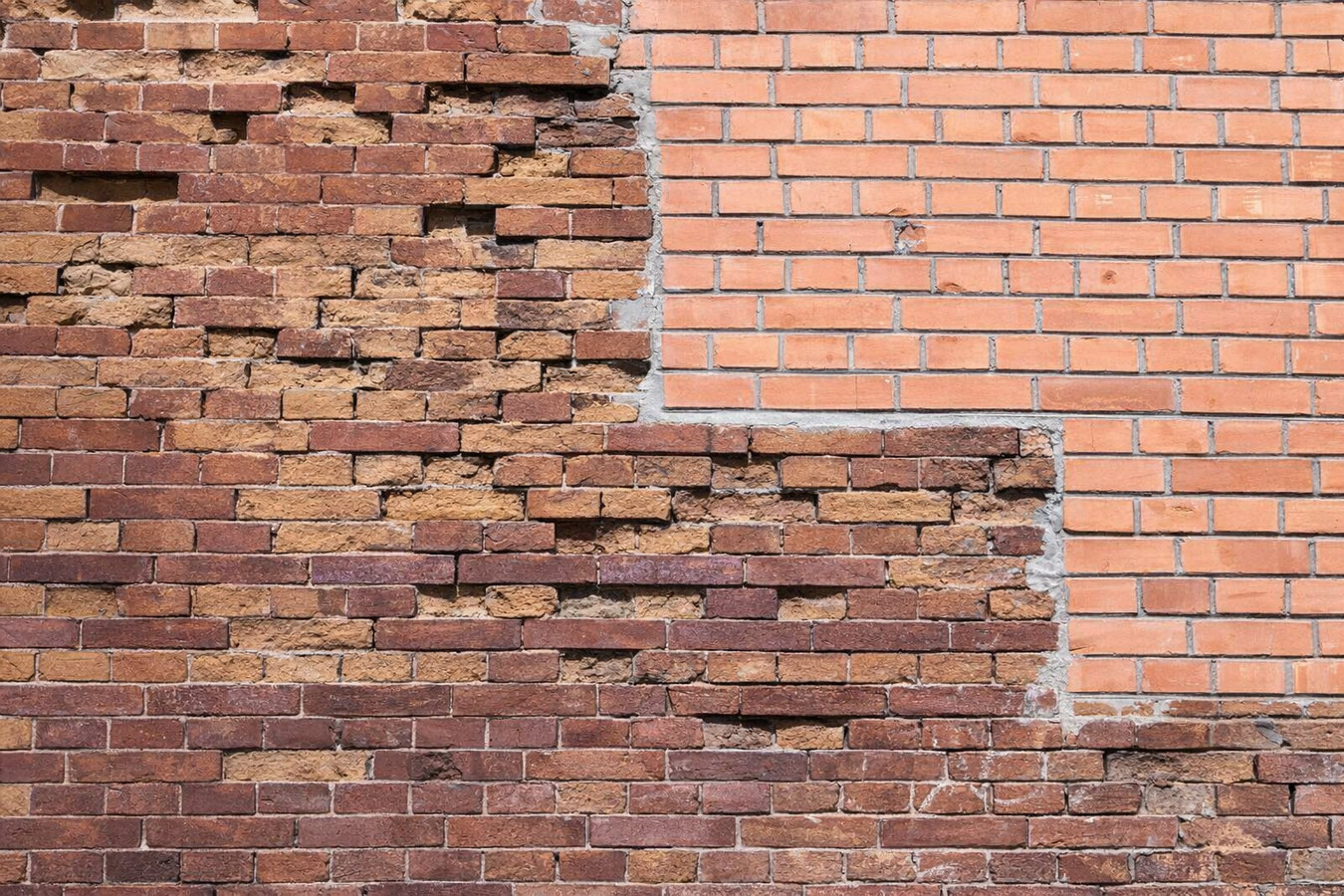
Crumbling mortar and spalling brick get worse every freeze-thaw cycle. We repair older brick and stone homes in Reading before small problems become expensive ones.
Masonry restoration in Reading involves repairing, cleaning, and stabilizing brick, stone, or block structures - removing deteriorated mortar, replacing damaged bricks, and sealing the sources of water intrusion - most jobs on a typical Reading row home or twin take one to three days from start to finish.
Reading's four-season climate means every home with aging mortar loses a little more material each winter, and the damage compounds. If your exterior brick has been repaired more than once already - which is common on homes built before the 1940s - matching the original mortar strength matters as much as the repair itself. Done with the wrong mix, new mortar can be harder than the brick it surrounds, which forces cracks right through the face of the brick instead of the joint. Our work on tuckpointing uses mortar matched to the original so the repair protects without damaging.
Whether it is a chimney losing mortar joints after a hard winter or a front facade showing white mineral staining after rain, the goal is always the same: close the moisture pathway before it opens a larger repair bill.
Run your finger along the joints between bricks on your chimney, foundation, or exterior wall. If the mortar crumbles easily or has gaps where it has fallen out entirely, water is getting in. In Reading's climate, this kind of deterioration is common on homes more than 30 years old and gets worse every winter if left alone.
Chalky white streaks or patches on brick after rain - called efflorescence - mean water is moving through the wall and pulling minerals to the surface. It is especially common on homes near the Schuylkill River corridor, where moisture levels are higher. It is not just cosmetic; it means water is entering somewhere that needs to be found and fixed.
When the face of a brick starts to flake off in thin layers or develops a pitted texture, freeze-thaw damage has been happening for years. Reading's winters are cold enough to cause this on older brick that has absorbed a lot of moisture. Once a brick starts spalling, it will not stop on its own - and replacing individual damaged bricks is much cheaper than waiting until a whole section needs to come down.
Hairline cracks in mortar joints are normal over time, but cracks running through the bricks themselves - or wide enough to fit a credit card into - signal something more serious. Cracks in a chimney are particularly urgent because they can let water into the flue and create a fire hazard. If you see cracks that seem to be growing after a hard winter, have a mason look at them before the next freeze season.
Most masonry restoration jobs start with repointing - removing damaged mortar from the joints and packing in fresh material that matches the original in color, texture, and strength. For homes built before 1940, we use softer mortar mixes that flex with the wall rather than fight it. Where individual bricks or stones have spalled, cracked, or shifted, we replace them using salvaged or matched material so the repair blends in. We also handle chimney repair as part of a full restoration, from crown and cap work down to flue liner evaluation when water intrusion is involved.
For walls or foundations showing active water intrusion or structural movement, we assess whether spot repair is sufficient or whether a larger section needs to be rebuilt. We also address efflorescence staining, clean brick faces after repair, and can apply a breathable water-repellent sealer when the wall's history warrants it. Every estimate is written and itemized before any work begins - no verbal-only quotes for jobs of any significant scope. We also do stone masonry restoration for homes with natural stone foundations, chimneys, or accent walls.
Best for homes with deteriorated mortar joints that are letting water in but still have structurally sound brick.
Best for walls or chimneys with individual damaged units that have spalled, cracked, or shifted out of alignment.
Best for chimneys, foundations, or walls showing cracks that indicate movement or prolonged water entry.
Best for homeowners whose chimney is losing mortar, showing crown damage, or leaking water into the flue.
Best for homes with recurring white mineral staining that comes back every spring after repairs to the obvious source.
Best for homes with natural stone foundations, chimneys, or feature walls that need mortar work or selective stone replacement.
Reading is one of Pennsylvania's older industrial cities, and a large share of its housing stock dates to the late 1800s and early 1900s. Brick row homes, twins, and older detached colonials were built with lime-based mortars that were softer and more flexible than modern Portland cement mixes - by design. Those original mortars have now been repaired in many cases with modern materials that are too hard for the job, and the bricks around them are starting to pay the price. Homeowners in West Reading and Laureldale are seeing this pattern on homes that were last repointed in the 1980s and 1990s - the mortar looks intact from a distance but is failing at the bond line.
Reading's Schuylkill Valley location means freeze-thaw cycles are a consistent annual event from December through March, not an occasional weather anomaly. Every winter, moisture in deteriorated mortar joints freezes, expands, and widens the gap a little further. Neighborhoods closer to the river corridor - parts of South Reading and the Schuylkill Avenue corridor - see this process accelerated by higher ambient moisture levels. Catching mortar deterioration before it reaches the brick face itself is the most cost-effective thing a homeowner can do to protect a masonry structure. Once the brick face begins to spall, repair costs rise significantly.
We will ask what you are seeing and where on the house it is. You respond within one business day to schedule a site visit. No need to know the technical terms - describe it in plain language.
We walk the affected area, check mortar joints and brick condition, and look for signs of water movement or structural shift. The visit takes 20 to 45 minutes, and we explain exactly what we find before any numbers are discussed.
You receive a written estimate covering scope, materials, and total cost. If the City of Reading requires a permit for the job, that is noted in the estimate and we handle the application - no calls to the city required on your end.
The crew chisels out damaged mortar, cleans the joints, and packs in fresh mortar matched to the original. Most jobs take one to three days. Before we leave, we walk the finished work with you - fresh mortar needs 24 to 48 hours before it should be exposed to rain.
Written estimate, no pressure. We respond within one business day.
(484) 516-0656We use softer mortar mixes on pre-1940 homes that match the original in strength and flexibility. Using modern hard mortar on older brick causes the bricks themselves to crack - we will not do that to your home.
We have been working in Reading and Berks County since 2015, which means we know the housing stock, the permit offices, and the specific mortar failure patterns common in this city. Local references available on request.
Pennsylvania law requires contractors doing home improvement work to register with the state. You can verify any contractor's registration through the PA Attorney General's office before hiring. We are fully registered, licensed, and insured.
Every job over a few hundred dollars gets a written estimate that covers scope, materials, and total cost. No verbal-only quotes, no add-ons that were not discussed, no pressure to approve extra work once the crew is on-site.
Masonry restoration done right is nearly invisible - the new mortar blends with the old, the joints are clean and uniform, and there are no smears on the brick face. That is the standard we hold ourselves to on every job, from a single chimney to a full facade repoint.
Add a new wood-burning or gas fireplace to your Reading home, fully permitted through the city.
Learn MoreRepair or install natural stone on foundations, chimneys, and feature walls throughout the Reading area.
Learn MoreFreeze-thaw season moves fast - locking in your estimate now means the work gets done while conditions are still right.