Serving Reading, PA and surrounding areas. (484) 516-0656
Crumbling or recessed mortar joints let water in every time it rains. We replace the damaged joints with properly matched mortar - so your brick walls stay tight and dry.
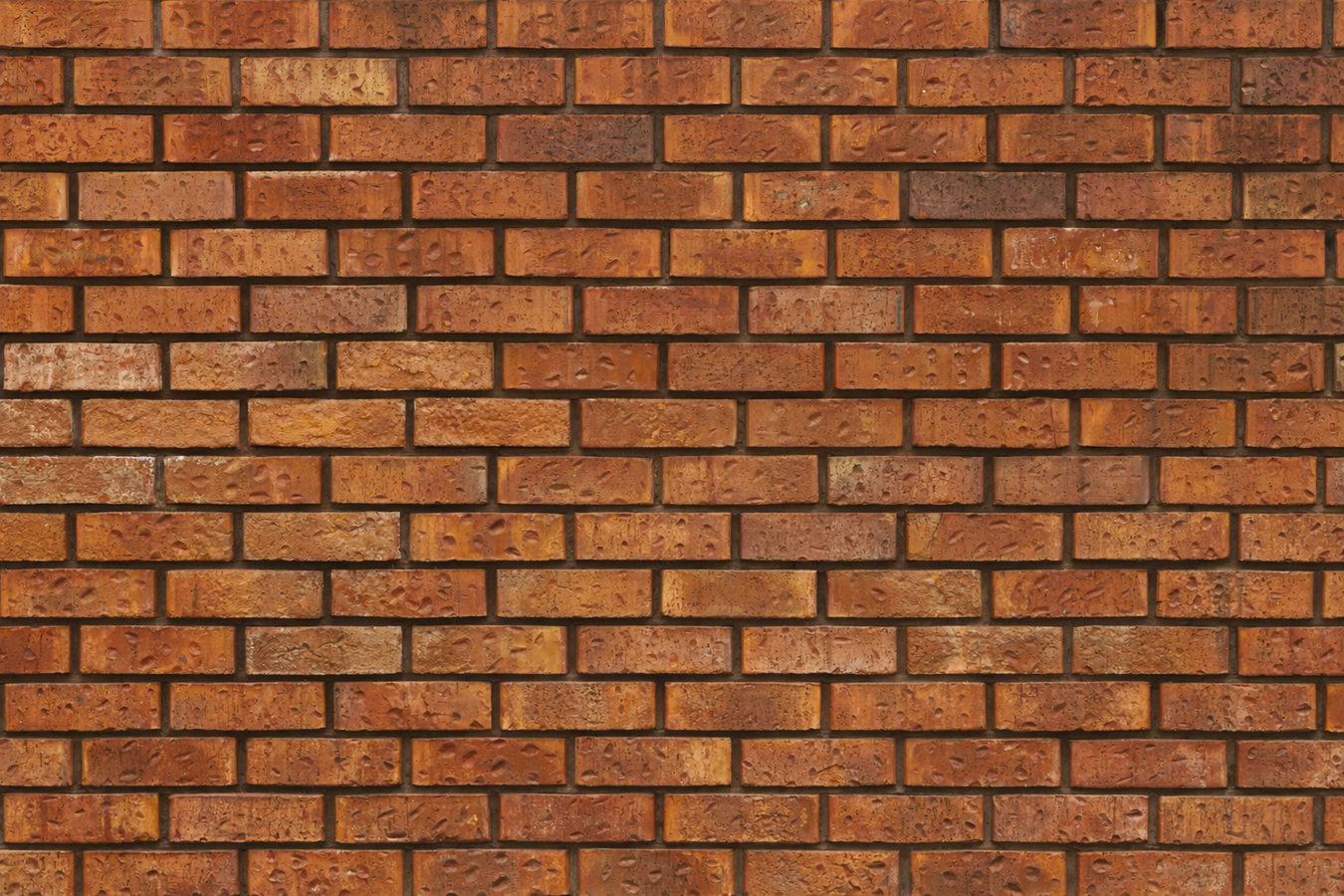
Tuckpointing in Reading, PA removes deteriorated mortar from the joints between bricks and replaces it with fresh mortar matched to your wall, sealing out water and restoring the structural integrity of the masonry - most residential jobs are completed in one to two days.
If you own a brick home in Reading, the mortar joints are doing most of the work to keep water outside. Brick itself is fairly tough, but mortar is designed to wear out first - it absorbs moisture and stress so the bricks do not have to. In a city with winters that cross the freezing mark repeatedly, that mortar breaks down faster than in milder climates. By the time joints look visibly crumbled or recessed, water has usually been getting in for a while.
If your chimney is also showing signs of deterioration, it is worth asking whether brick repair should be part of the same project - addressing both the mortar joints and any cracked or spalled bricks at once often costs less than two separate visits.
Run your hand along the mortar lines on your exterior wall. If the mortar feels soft, crumbles when you press it, or has visible gaps wider than a credit card, it is no longer keeping water out. This is the most direct sign that your joints need professional attention.
That chalky white residue on brick walls is called efflorescence - salt pushed to the surface by water moving through the wall. In Reading, where winter moisture is significant and older homes have porous mortar, this is a common early warning sign. It means water is getting in somewhere, and tuckpointing is often the fix.
Stand back and look at your wall from an angle in good light. If the mortar lines sit well behind the face of the bricks rather than flush with them, that recession lets water collect and run directly into the joint. In Reading's older row homes, this is especially common on north-facing walls that dry out slowly after rain.
If water is getting through your masonry, the first sign is often on the inside - a damp patch on a brick wall, peeling paint near a window frame, or a musty smell in a room that shares an exterior brick wall. Reading's spring and fall rain seasons make this pattern common, and it almost always traces back to failed mortar joints outside.
Tuckpointing is a precise repair - not a surface coating. The crew grinds or chisels out the old mortar to a consistent depth, cleans the joints, and packs in fresh mortar that is mixed to match the color and strength of your existing wall. The surface is then tooled to match the original joint profile, whether that is a concave, flush, or struck finish. On older Reading homes with lime-based original mortar, we select a compatible mortar type so the new material works with the brick rather than stressing it.
We handle tuckpointing on chimneys, exterior walls, retaining walls, and below-grade foundation masonry. If your inspection turns up cracked or spalled bricks that need to be replaced alongside the mortar work, we handle that in the same visit - no need to schedule a second contractor. For walls where the mortar work has been deferred for many years and individual bricks have been damaged by water, brick pointing combined with targeted brick replacement is the right path.
Best for chimneys showing crumbling or open joints that are exposed to weather on all four sides - the most common tuckpointing job on Reading homes.
Best for row homes, twins, and detached brick houses where mortar joints are recessed, crumbling, or allowing water through to interior walls.
Best for foundation-level masonry where open mortar joints are allowing water into basements or crawl spaces - especially urgent in areas with poor drainage.
Best for brick or stone retaining walls where deteriorating joints are allowing the wall to shift or allowing water to undermine the base.
Reading has a large concentration of brick row homes and twin houses built between the 1880s and the 1940s, particularly in neighborhoods like Hampden Heights, Oakbrook, and the West Reading border areas. Mortar from that era was often softer and lime-based, which means it needs to be matched carefully when replaced. Using the wrong type of modern mortar on an older brick home can actually cause the bricks themselves to crack - turning a relatively modest repair into a much larger one. On top of the age factor, Berks County winters regularly push temperatures above and below freezing multiple times in a week. Every freeze-thaw cycle forces water deeper into open mortar joints, and by spring the damage is measurably worse than it was in October.
We work throughout the greater Reading area. Homeowners in Laureldale and West Reading deal with the same older housing stock and the same freeze-thaw conditions as Reading proper, and we bring the same approach to mortar matching and preparation to every job in these communities. The Brick Industry Association sets technical standards for how brick masonry should be repaired - including mortar type selection for older construction - and those guidelines inform how we approach every repointing job.
We ask a few questions about where the problem is, how old your home is, and whether any water is getting inside. We then schedule a visit to look at the masonry in person. We reply to all requests within 1 business day.
We walk your home and check how deep the damage goes, how much area needs work, and whether any bricks are cracked or loose. You receive a written estimate that breaks down the scope and the price before any work begins.
Move any plants, furniture, or vehicles away from the work area so the crew has clear access. Most tuckpointing jobs do not require you to be home, but someone should be reachable by phone in case the crew has questions.
The crew grinds out old mortar, packs in new mortar matched to your wall, and tools the joints to match the original profile. When the job is done, we walk you through the finished work before we pack up so you know exactly what was repaired.
Free written estimate. No obligation. We reply within 1 business day.
(484) 516-0656We carry Pennsylvania Home Improvement Contractor registration and full liability coverage. You have legal recourse and documented protection on every job - not just a verbal promise.
Homes built in Reading before 1930 often used softer, lime-based mortar. We test your existing joints and match the new mortar to your wall's age and composition so the repair works with the brick rather than against it.
Every job starts with a written estimate that spells out the scope, the materials, and the price. No vague quotes, no surprise add-ons after the crew arrives.
You will hear back from us within one business day of any call or message. We also tell you the expected curing timeline so you know when the new mortar is fully set and ready to handle rain.
Every one of these commitments exists because tuckpointing done poorly - with the wrong mortar, too shallow a grind, or mismatched color - fails again within a few seasons. We do it right the first time so you are not calling someone back in two years.
When water and freeze-thaw cycles have damaged the bricks themselves, not just the mortar - replacement and matching done right.
Learn MorePrecision mortar joint work on walls where years of deferred maintenance have left joints open at multiple levels.
Learn MoreBefore another Reading winter opens those joints further, let us get your masonry sealed and protected. Call now or send us a message for a free written estimate.