Serving Reading, PA and surrounding areas. (484) 516-0656
Your sloped yard is losing soil every rain, or an old block wall is leaning and crumbling. We build concrete block walls for Reading homes that handle hillside terrain, clay soil, and Pennsylvania winters without shifting or failing.
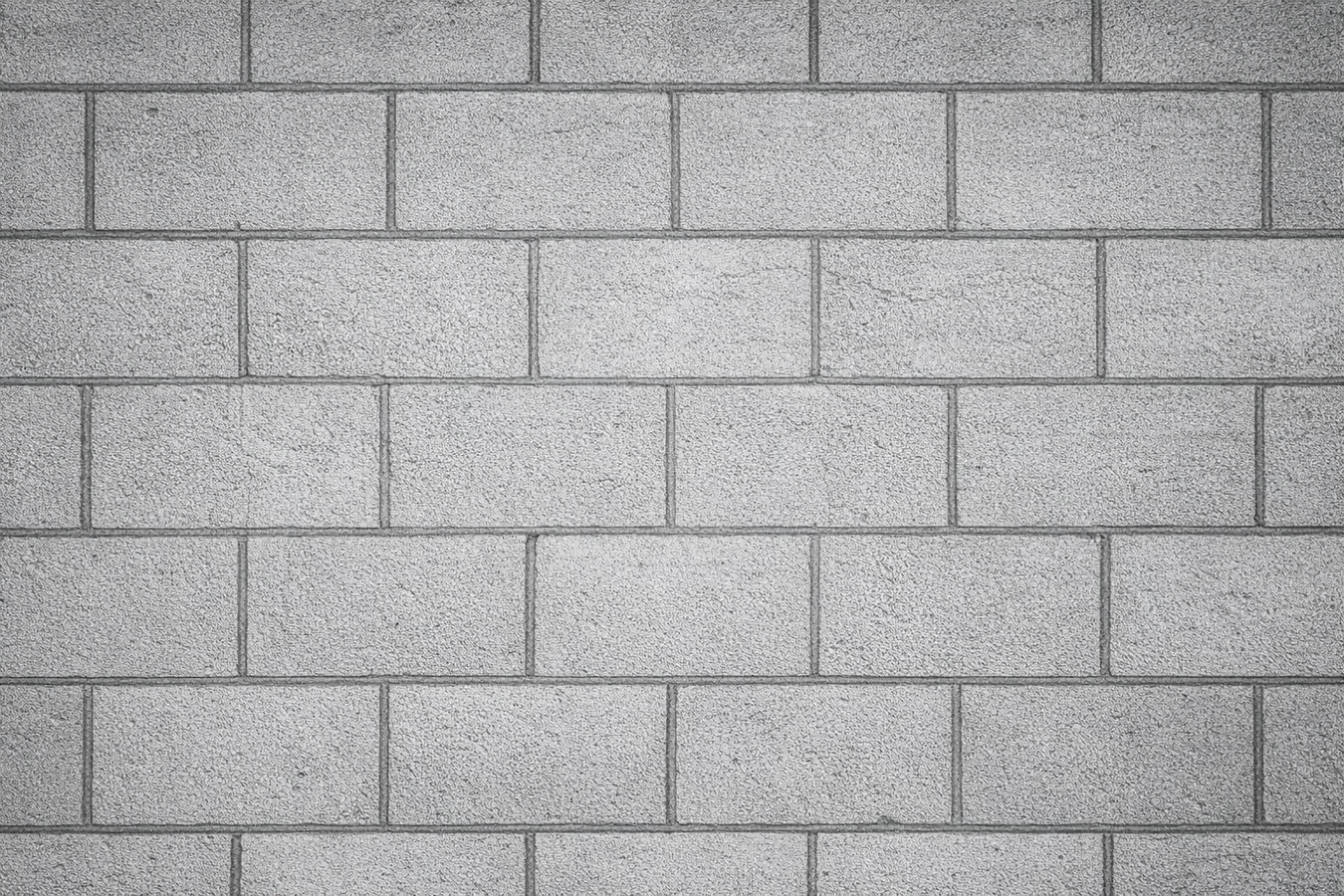
Concrete block walls in Reading are built by stacking hollow or solid rectangular blocks bonded with mortar, creating a sturdy structure that can serve as a retaining wall on a sloped lot, a garden border, a boundary wall, or a foundation wall. Most straightforward residential projects take one to three days. Larger or more complex jobs - significant excavation, taller walls, or full replacement of a failing structure - can run longer.
Reading sits in a valley with meaningful grade changes, and hillside lots are common across the city and surrounding neighborhoods. Retaining walls are a practical necessity for many homeowners here - not just a landscaping choice. When the soil a wall holds back also has a drainage problem, the wall needs to be engineered with weep holes or a crushed stone layer behind it to prevent the water pressure that causes most block wall failures in this area. For homeowners whose existing block wall has already started to move or show structural cracks, a retaining wall construction assessment determines whether repair or replacement is the right path.
Many Reading homes built before 1960 have original block foundation or garden walls that have never been professionally inspected. Age alone does not mean failure, but deteriorating mortar and clay soil that swells and contracts seasonally can accelerate damage on walls that were never designed for those stresses.
If a retaining wall on your property no longer looks straight - if it curves or tilts away from the soil it holds - that is a sign it is under stress it was not designed to handle. In Reading hilly neighborhoods, this is one of the most common masonry calls after a wet spring. A wall that is already moving will eventually fail, and a collapse can damage landscaping, fencing, or structures nearby.
Hairline cracks in mortar are normal over time, but diagonal cracks running across multiple blocks in a stair-step pattern are a warning sign. This pattern often means the wall footing has shifted - which happens in Reading when clay-heavy soil swells and contracts through wet and dry seasons. A mason can tell you whether the cracks are cosmetic or structural.
If a sloped section of your yard sends topsoil toward your foundation, driveway, or neighbor's property during heavy rain, a retaining wall is the right fix. Reading gets meaningful rainfall year-round, and without a wall to hold the grade, erosion can undermine landscaping, damage hardscaping, and eventually threaten foundations.
Run your hand along an older block wall - if the mortar feels soft, sandy, or crumbles away, the wall needs repointing. Many Reading homes have block walls from the mid-20th century that have never been repointed. Once mortar starts to fail, water gets in and accelerates the damage. Catching this early is much cheaper than replacing the wall.
We build and repair concrete block walls for residential properties throughout Reading and Berks County. New construction work includes retaining walls on sloped lots, garden and raised bed borders, boundary walls between properties, and foundation wall sections. Every retaining wall we build includes a drainage layer behind the block and weep points designed for the clay-heavy soils common in this area - water needs somewhere to go, or it will push against the wall until something gives.
We also repair and repoint existing walls - a cost-effective option when the structure is sound but the mortar joints have deteriorated. For homeowners planning a project that involves both a block wall and an upgraded surface finish, block walls pair naturally with foundation block wall installation on the structural side, or can be faced with stone veneer for a finished look. The National Concrete Masonry Association publishes design and installation standards we follow on structural wall projects.
Best for homeowners with hillside yards losing soil to erosion or needing a defined grade transition.
Best for homeowners who want a durable, low-maintenance edge for landscaping or vegetable beds.
Best for properties needing a defined perimeter or privacy structure that will last decades with minimal upkeep.
Best for homeowners with aging mid-century block walls that have deteriorating mortar but are otherwise structurally sound.
Reading sits in the Schuylkill River valley with significant grade changes - hillside and sloped lots are common throughout the city and surrounding townships. That topography means retaining walls are a practical necessity for many homeowners, not just a landscaping option. The soils in and around Reading include areas with clay-heavy composition, which holds water rather than draining it. Clay expands when wet and contracts when dry, putting lateral pressure on retaining walls and causing settling beneath footings. A mason who knows local soil conditions will build the drainage layer and the footing depth with those stresses in mind - a detail that separates a wall that lasts from one that shifts within a few years.
Reading also has a large stock of pre-1960 homes with original block walls that are now 60 to 80 years old. Many have never been professionally assessed. Homeowners in Muhlenberg, PA and Sinking Spring, PA often have newer properties on more level ground with different structural demands, while properties in Reading proper - particularly in hillside neighborhoods - frequently involve both aging wall repair and drainage redesign in the same project. We work across the full Berks County service area and size each project to what the soil, slope, and age of the wall actually require.
When you reach out, we ask about the type of wall, roughly how long or tall, and whether there is an existing wall involved. Most residential block wall projects in Reading require an in-person visit before any real number can be put on paper. We get back to you within one business day to schedule that visit.
We visit your property, measure the area, look at slope and soil conditions, and check for drainage issues. We tell you upfront whether your project needs a permit from the City of Reading - and we handle that paperwork for you. You receive a written estimate that breaks down scope, materials, and total cost before you decide anything.
If a permit is required, we submit the application to the City of Reading before work begins. Permit timelines vary, but most residential masonry projects clear in one to two weeks. Spring and early summer are the busiest season for masonry work in Reading - booking early means a shorter wait for your start date.
The crew excavates the footing trench, lays block course by course, and installs reinforcement in taller walls. Most residential walls are completed in one to three days. A city inspector signs off on permitted work. Mortar needs 24 to 48 hours before the wall is disturbed - we walk you through what to avoid before we leave.
On-site estimate, written quote, permits handled. We get back to you within one business day.
(484) 516-0656Most retaining wall failures we see in Reading come down to one thing: whoever built the original wall did not put proper drainage behind it. Every retaining wall we build includes a crushed stone drainage layer and weep points sized for Reading clay soils. Water has somewhere to go instead of building pressure against your wall.
Pennsylvania requires footings to reach below the frost line - typically 36 inches in Berks County. A footing that is too shallow will shift with every freeze-thaw cycle and eventually cause the wall above it to crack or lean. We size every footing to local frost depth requirements, not to a generic regional average.
Navigating the City of Reading permit process is confusing if you have never done it, and some contractors skip it entirely - leaving you with unpermitted work that can cause real problems if you sell your home. We submit the application, schedule around the inspection, and give you documentation that the work was done right.
Sloped lots and pre-1960 block walls are common in this city, and each brings its own set of complications. The Mason Contractors Association of America publishes best practices for masonry in freeze-thaw climates that inform how we approach drainage and reinforcement on every project here.
Every concrete block wall project we do in Reading comes with a written estimate, a permit pulled before work starts, and a contractor who knows what clay soil and freeze-thaw cycles do to a wall that was not built correctly. You will be able to look at the finished wall - straight, plumb, and drained - and know it was built to last.
When block wall work connects to your home foundation - new sections, repairs, or waterproofing at the base - foundation block wall installation addresses the structural side of the project.
Learn MoreFor sloped lots that need an engineered solution - full retaining wall design, drainage planning, and construction from footing to cap on hillside properties throughout Berks County.
Learn MoreSpring is the busiest season for masonry work here - reach out now to lock in your project before the schedule fills.