Serving Reading, PA and surrounding areas. (484) 516-0656
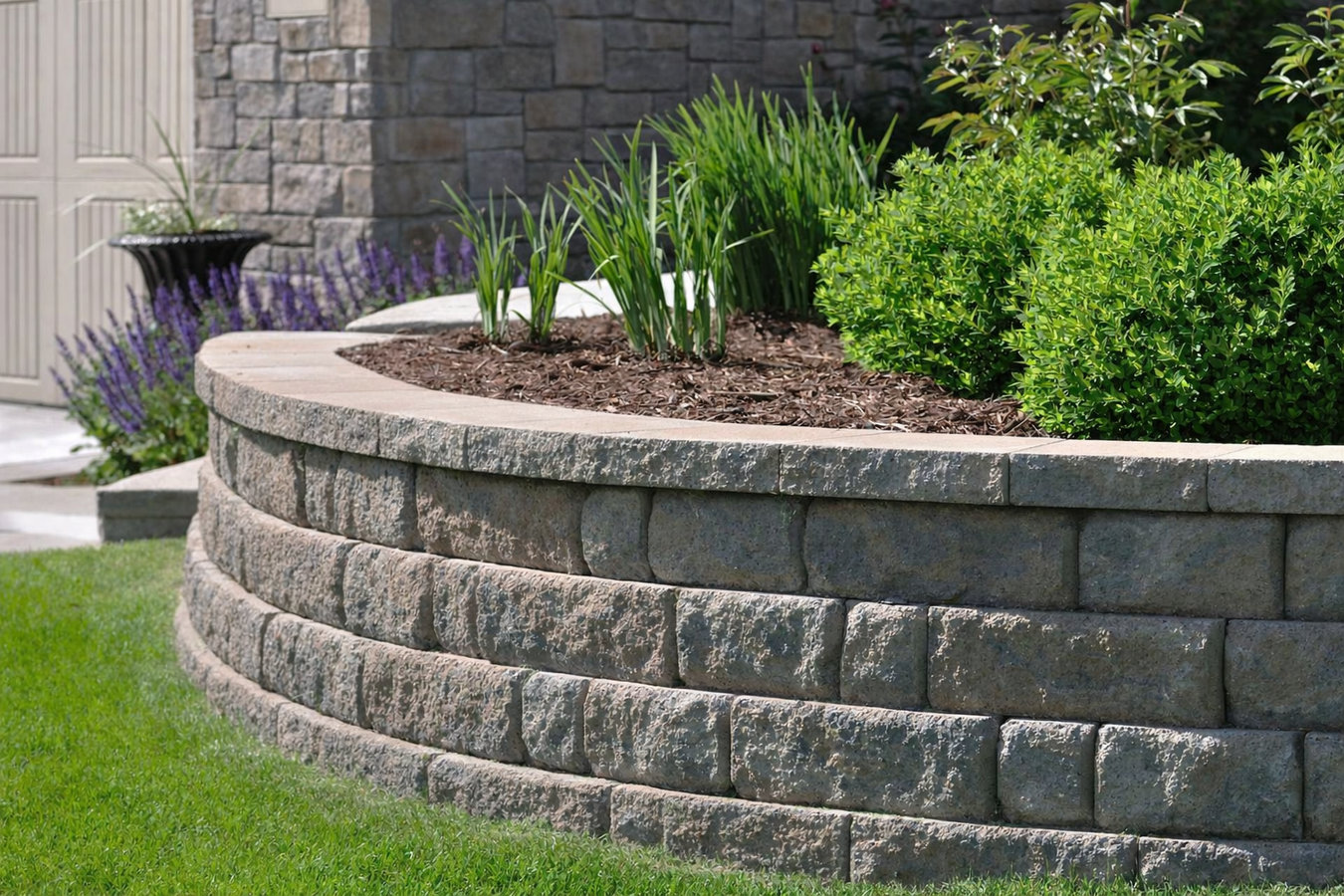
Slopes that wash out every spring and failing old walls are fixable problems. We build walls designed for Reading's hillside lots and freeze-thaw winters.
Slopes that wash out every spring and failing old walls are fixable problems. We build walls designed for Reading's hillside lots and freeze-thaw winters.
Retaining wall construction in Reading, PA involves excavating the slope, setting a footing below the Berks County frost line, building the wall layer by layer with drainage gravel behind it, and backfilling and grading - most residential projects take one to three days on-site once materials and permits are in place.
Reading sits in a valley surrounded by ridges, and many neighborhoods - especially those climbing toward Mount Penn or along the city's western slopes - have yards that genuinely need walls to stay usable. If your slope washes out every spring, an existing wall is starting to lean, or water is running toward your foundation, a properly built retaining wall solves the problem rather than just delaying it.
Walls and hardscape often go together. If you are also thinking about improving the surfaces around your property, our masonry restoration service handles aging stone and brick structures that need to be brought back to a sound condition before or alongside new wall construction.
If you notice soil, mulch, or gravel migrating down your yard and collecting at the bottom after a rainstorm, your slope is eroding. In Reading, where spring rains can be heavy and hillside lots are common, this kind of erosion tends to get worse each year if nothing is done. A retaining wall stops the movement and gives you a stable, usable yard.
A wall that tilts forward, shows horizontal cracks across its face, or has gaps opening up at the base is telling you it is under stress it can no longer handle. This is especially common in Reading's older neighborhoods, where walls built 40 or 50 years ago were often set without adequate drainage or deep enough footings. A leaning wall does not fix itself.
If rainwater runs down a slope and collects against your home's foundation rather than draining away, a retaining wall combined with proper grading can redirect that flow. Foundation water problems are a serious concern in Reading's hillside neighborhoods, where homes sit at the bottom of sloped lots. Left unaddressed, this leads to basement leaks and long-term structural damage.
Many Reading homeowners with terraced or steeply sloped backyards have land they simply cannot use - too steep to mow safely, too unstable for a patio. A retaining wall creates a level terrace that turns wasted slope into actual outdoor living space. This is one of the most common reasons homeowners in hillside neighborhoods reach out to a masonry contractor.
We handle every stage: site assessment, permit application when required, excavation to below the frost line, footing installation, wall construction with drainage gravel behind it, backfill, grading, and cleanup. The drainage system behind the wall is as important as the wall itself - water that builds up pressure against the back of a wall is the main reason walls fail. We design every installation so water can escape freely and never pool against the structure.
For properties with larger masonry needs, our concrete block walls service addresses freestanding block structures that serve different purposes than a soil-retaining wall. And if an older wall or masonry structure on your property is still structurally sound but needs surface work, our masonry restoration team can assess whether a repair or a full rebuild is the better path.
For homeowners creating usable terraced space or stopping active erosion on a yard that has never had a wall.
Best for leaning, cracked, or drainage-deficient walls built decades ago that are past the point of repair.
Designed for Reading hillside lots where runoff is consistently flowing toward the home's foundation.
For walls that require a City of Reading building permit and inspection - we manage the full permit process.
Reading's topography - a valley seat surrounded by ridges - means that sloped, terraced yards are the norm rather than the exception in many neighborhoods. A large share of the city's residential development happened in the early to mid 20th century, and many existing retaining walls were built without modern drainage standards. Berks County's frost line runs roughly 30 to 36 inches deep, meaning footings set too shallow will be pushed out of alignment year after year by freeze-thaw cycles. A wall that costs a bit more upfront because of deeper excavation is the only version that still looks straight after five winters. The National Concrete Masonry Association publishes design guidelines for segmental retaining walls that set the standard for properly engineered residential installations.
Soil conditions also vary significantly across Reading's neighborhoods - from relatively stable clay-loam in valley areas to looser fill on hillside lots. A retaining wall contractor who does not assess your specific soil before quoting is likely to underprice the job and cut corners during the build. Homeowners in Sinking Spring and Exeter face many of the same hillside and drainage challenges and benefit from the same frost-depth footing requirements that apply throughout Berks County.
We will get back to you within one business day to schedule an on-site visit. A phone quote for a retaining wall is rarely accurate - we need to see your slope, soil, and drainage conditions before giving you a reliable number.
If your wall will exceed four feet, we handle the permit application with the City of Reading Department of Licenses and Inspections. This process typically adds a week or two to the start date - but it also means the finished wall is on record as city-inspected.
The crew excavates to below the frost line, sets the footing, and builds the wall layer by layer - placing drainage gravel behind each course as they go. Expect noise and equipment in your yard. Most residential walls take one to three days at this stage.
Once the wall is up, we backfill, grade for drainage, and clean up. If a permit was pulled, the city inspector visits to confirm the work meets code - your contractor coordinates this. We walk the finished wall with you before closing out the project.
We assess your slope and soil conditions in person before giving you a price - no guessing, no phone-only quotes.
(484) 516-0656Berks County's freeze-thaw cycles will push a shallow footing out of alignment within a few winters. We set every footing below the 30-to-36-inch frost line that applies throughout this region. That extra excavation costs more upfront and protects your investment for decades.
The drainage system behind a retaining wall is as important as the wall itself. We place compacted gravel and perforated pipe behind every wall as we build - not after the fact. Water that can escape freely through the back of a wall never builds up the pressure that causes leaning and cracking.
Walls taller than four feet require a building permit from the City of Reading. We handle the application, coordinate with the inspector, and keep you informed at each step. You get the protection of a city-reviewed installation without having to navigate the permit process yourself.
Pennsylvania law requires home improvement contractors to register with the state Attorney General before doing residential work. We are registered under the Home Improvement Consumer Protection Act. You can verify any contractor's registration at the PA Attorney General's website.
A retaining wall built correctly the first time holds for 40 to 50 years with basic maintenance. One built without proper drainage or a deep enough footing starts showing problems within a few winters - and fixing a failed wall costs more than building it right the first time.
Bring aging stone and brick structures back to sound condition before or alongside new construction.
Learn MoreFreestanding block wall construction for boundaries, enclosures, and property division.
Learn MoreSchedule your free on-site estimate today and lock in your start date before the busy season books up.