Serving Reading, PA and surrounding areas. (484) 516-0656
Cracked bricks, open mortar joints, and spalling surfaces let water in every winter. We replace what is damaged and match the materials to your home so the repair holds.
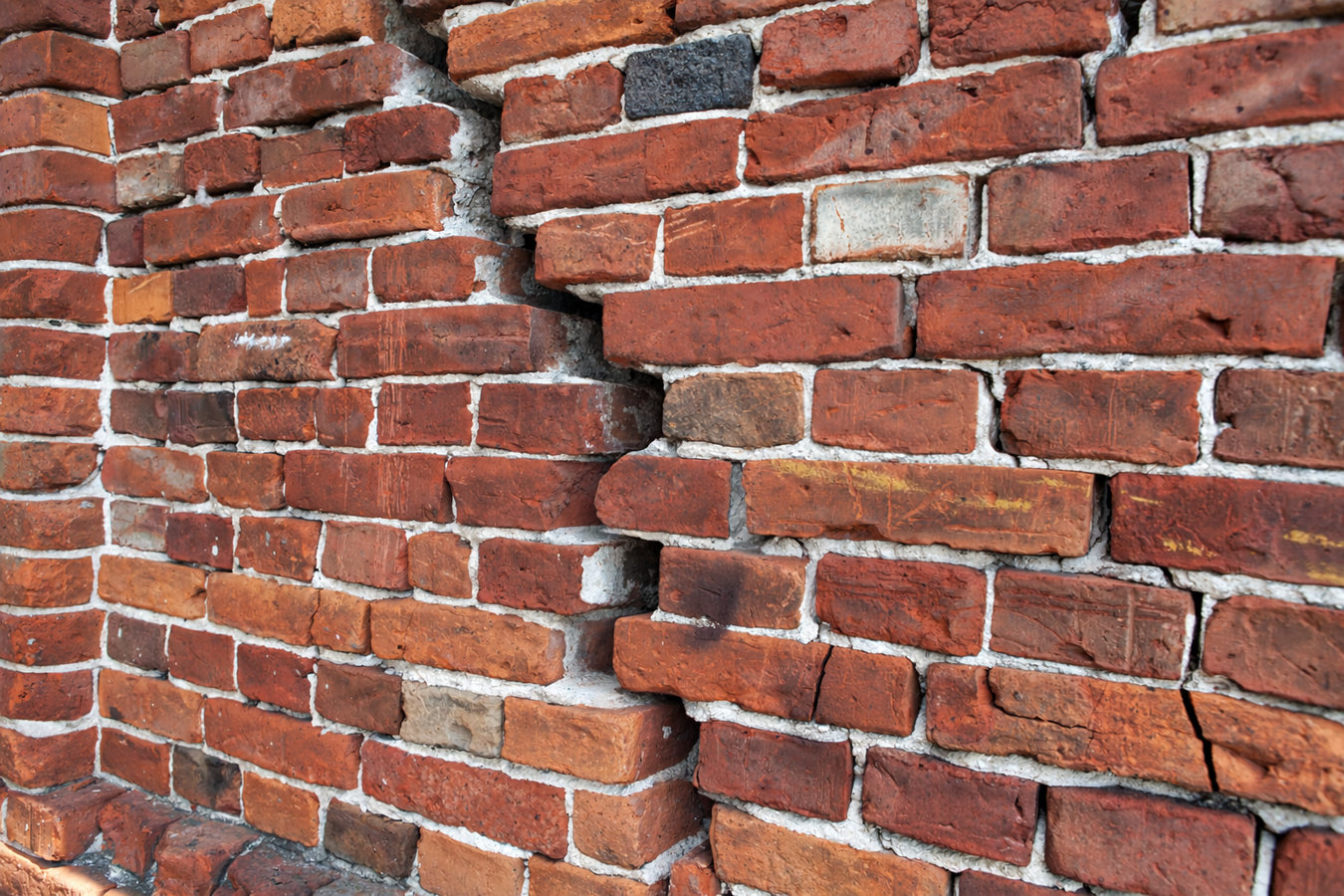
Brick repair in Reading, PA covers everything from replacing worn mortar joints and cracked individual bricks to addressing spalling surfaces and chimney deterioration - most jobs are completed in one to three days without disrupting your home.
Brick itself is fairly durable, but the mortar holding it together is designed to wear out first - absorbing moisture and stress so the bricks do not have to. In a city like Reading, where freeze-thaw cycles run from November through March, that mortar breaks down faster than in milder climates. Once the joints open up, water gets in and starts working on the bricks themselves. Catching the problem at the mortar stage costs far less than replacing bricks that have been damaged by years of water infiltration.
If your mortar joints are the main issue without significant brick damage, starting with tuckpointing is often the most cost-effective path - though if both the joints and individual bricks need attention, we handle both in the same project.
Run your finger along the lines between your bricks. If the mortar feels soft, crumbles away easily, or has gaps where it used to be solid, it needs to be replaced. In Reading's older neighborhoods, this kind of wear is common in homes that have not had masonry work done in 20 or more years.
Those white streaks or powdery patches on brick surfaces are caused by water moving through the wall and leaving mineral deposits behind. It is called efflorescence, and while it looks cosmetic, it is telling you that water is getting into your masonry. In Reading, where winter moisture is significant, this is often one of the first visible signs that joints need attention.
Hairline cracks in mortar joints are normal over time, but cracks that run diagonally across multiple bricks - especially near windows, doors, or corners - can signal settling or structural movement. Do not wait to see if they get worse. A quick assessment from a masonry contractor can tell you whether it is a cosmetic fix or something that needs more attention.
When the face of a brick starts to flake or pop off in thin layers, it usually means water has gotten deep into the brick and the freeze-thaw cycle has done its work. This is called spalling, and it gets worse each winter if left alone. Once a brick starts spalling, it needs to be replaced - patching the surface will not hold.
Brick repair is not a single repair type - the right approach depends on what is actually damaged. When the mortar joints are worn but the bricks themselves are sound, we remove the old mortar to a consistent depth and pack in fresh mortar matched to your wall's color and composition. When individual bricks are cracked, spalled, or loose, we carefully remove and replace them with bricks sourced to match as closely as possible. For chimneys, we inspect the full structure - cap, crown, joints, and flashing - and repair each component so the chimney sheds water properly rather than letting it into your home's structure.
We also handle diagonal cracks near door and window openings, which can signal settling or structural movement rather than simple weathering. These need to be evaluated before patching, not just filled and painted over. For homes where brick damage has progressed to the point of needing new sections built - not just repaired - driveway pavers or other masonry reconstruction work can often be scheduled in the same visit to consolidate labor and material costs.
Best for homes where the mortar is worn or missing but the bricks themselves are still structurally sound - the most common brick repair job in Reading.
Best for walls where individual bricks have been damaged by freeze-thaw cycles and the face is flaking, chipping, or pulling away from the wall.
Best for chimneys showing deteriorated joints, cracked caps, or loose bricks that are allowing water into the chimney structure or the home.
Best for diagonal cracks near openings or corners that indicate movement - these need proper assessment and repair rather than surface patching alone.
A large share of Reading's residential neighborhoods - including areas like Hampden Heights, Mineral Spring, and the West Reading corridor - were built between the 1880s and the 1940s. Homes that old were built with softer, lime-based mortars and bricks that behave differently from modern materials. A contractor who does not account for this can cause more damage than they fix. Using modern high-strength mortar on an old soft brick pushes stress into the brick itself rather than the joint, which is what causes spalling - the brick face cracking and flaking off in layers. Getting brick repair right in Reading means understanding the age and composition of what you are working on before mixing a single batch of mortar.
We work throughout the greater Reading area, including West Reading and Wyomissing, where the same older housing stock and freeze-thaw conditions create the same repair needs. The National Park Service Preservation Briefs on masonry repair provide detailed guidance on matching mortar to older construction - the same principles we apply on every job involving pre-1950 homes in this area. Pennsylvania also requires all home improvement contractors to register with the PA Attorney General's office, which means you have legal protections in place before any work starts.
We ask a few basic questions - where the damage is, how long you have noticed it, and whether any water is getting inside. We then schedule a visit to look at the wall or chimney in person. We reply to all requests within 1 business day.
We walk the affected area and check mortar joints, the condition of individual bricks, and any signs of water damage. We may tap on bricks to check for hollow spots. You receive a written estimate that spells out the scope, materials, and total cost before any work begins.
Before the crew arrives, clear the area around the wall - move patio furniture, planters, or vehicles out of the way. If the work is on a chimney, close the fireplace damper. You do not need to be home for the work, but being available by phone is helpful.
The crew removes damaged mortar, cleans joints, and packs in fresh mortar matched to your wall. New mortar needs 24 to 48 hours to harden, so avoid spraying the area with water during that window. Before we leave, we walk you through the finished work so you know exactly what was repaired.
Free written estimate. No obligation. We reply within 1 business day.
(484) 516-0656We carry Pennsylvania Home Improvement Contractor registration and full liability coverage. You have verified legal protections and a written contract on every job - not just a verbal agreement.
Homes built in Reading before 1950 were built with softer bricks and lime-based mortar. We test your existing mortar and source materials that are compatible with your wall's age so the repair holds rather than creating new damage.
Every job starts with a written estimate that spells out what will be done, what materials will be used, and the total price. No vague quotes and no surprise charges after the crew has already started.
You will hear back from us within one business day of any call or message. Spring is our busiest season in Reading - reaching out early means faster scheduling and the best chance to get repairs done before the next winter arrives.
The right materials, the right mortar type, and a contractor who understands older Reading homes - those three things are what separate a repair that holds for 20 years from one that needs to be redone in five. That is what we bring to every job.
When the mortar joints are the primary problem and the bricks are still sound - precision repointing with mortar matched to your wall.
Learn MorePaver installation and repair for driveways and exterior surfaces - a natural companion project when exterior masonry work is already underway.
Learn MoreEvery freeze-thaw cycle makes existing damage worse. Call now or send a message for a free written estimate - we reply within 1 business day.