Serving Reading, PA and surrounding areas. (484) 516-0656
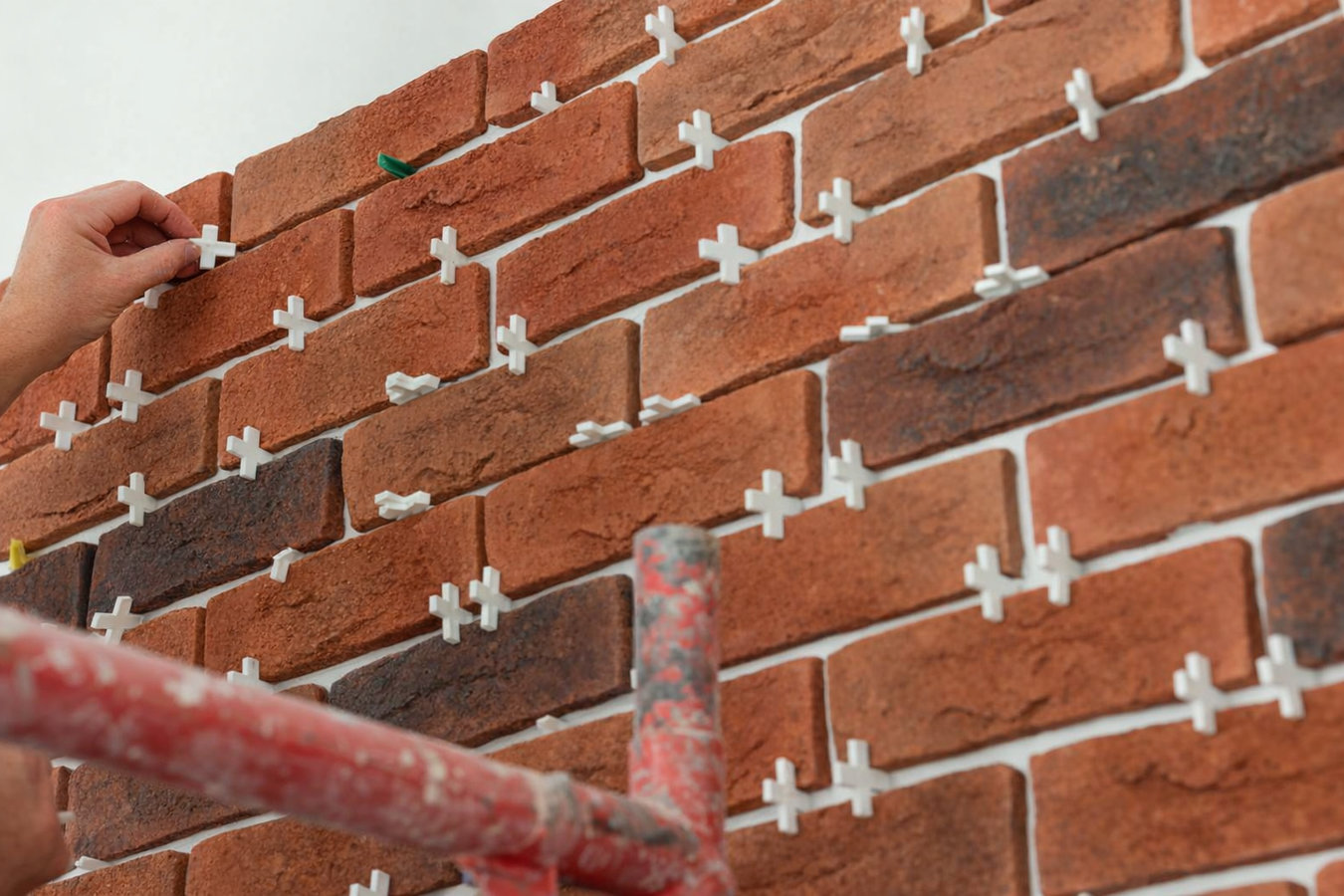
A brick wall built without the right footing will lean within a few winters. We dig below Reading's frost line, use exterior-grade mortar, and match historic brick on older homes so the finished wall looks like it has always been there.
Brick wall installation in Reading, PA means laying individual bricks one course at a time, bonded with mortar and built on a concrete footing that goes below the local frost line - most standard garden or boundary walls 20 to 30 feet long take a crew of two to three masons two to four days of active work, not counting the permit and footing cure time.
The footing is the part most homeowners do not think about - but it is what determines whether the wall stays straight or starts to lean after a few harsh winters. In Reading's climate, a footing that does not reach below the frost depth will shift as the ground freezes and thaws, and even a well-laid wall on a bad footing will crack and pull out of plumb within a few years.
If your property has existing masonry that needs attention alongside the new wall, we can coordinate brick repair work at the same time so the old and new sections are in consistent condition when we are done.
If you can see a visible tilt when you stand back and look at a wall straight-on, or if a gap is opening between the wall and an adjacent structure, the wall has likely shifted off its footing. In Reading's climate this often happens after a particularly harsh winter. A leaning wall is a safety issue that gets worse the longer it is ignored.
Run your finger along the joints between bricks on an older wall. If the mortar feels soft, crumbles easily, or has gaps you can push a finger into, the wall is losing the material that holds it together. This is extremely common on Reading homes built before World War II. Left alone, water gets into those gaps, freezes, and accelerates the damage rapidly.
If your yard slopes toward your home and you notice soil washing away after rain or a section that never fully dries out, a retaining brick wall may be the right fix. Reading's clay-heavy soils hold water longer than sandy ground, which makes erosion worse over time. A properly built wall can reclaim that space and stop the cycle.
Sometimes the signal is not damage - it is a clear vision for what your property could look like. If you have been looking at a chain-link fence or an open front yard and imagining something more permanent, a brick wall is worth exploring. In Reading's older neighborhoods, a well-matched brick wall fits the character of the street in a way that vinyl fencing simply does not.
We build brick walls from the footing up, starting with a site assessment to check soil conditions and determine the correct footing depth for your specific address. Berks County soils include clay-heavy ground that shifts more than sandy soils, especially after wet winters, which affects how deep and wide the footing needs to be. The brickwork itself is laid course by course with consistent mortar joints, checked for level and plumb throughout the build. For homeowners whose homes were built in the early-to-mid 20th century - as many Reading homes were - we source salvaged or specialty brick to match existing masonry so the new wall does not look like an obvious addition. If a complementary stone masonry project is on your list, we can combine both into one site visit and coordinated build.
We handle the City of Reading permit application before any work begins and coordinate the inspector's visits at the required stages. After the brickwork is complete, the mortar needs approximately 28 days to reach full strength - we walk you through what to avoid during that curing period and what to watch for on the finished wall in the years ahead.
Best for homeowners who want a low, permanent perimeter that defines property lines or frames a front yard without blocking views.
Best for homeowners who want to screen a patio, side yard, or pool area from neighbors or the street with a taller masonry structure.
Best for sloped properties where soil erosion or grade change needs to be managed with a permanent, load-bearing wall rather than a decorative one.
Best for Reading homes built before 1960 where new construction must match the existing brick color, texture, and size for a cohesive look.
Reading's residential neighborhoods - particularly on the central and west side - feature homes built between the 1880s and the 1940s, many of them constructed with regional brick that is no longer manufactured. When adding a new wall near an existing brick structure and wanting it to match, a mason needs to source salvaged or specialty brick, which takes more time and adds to the cost. This is worth discussing upfront so the estimate reflects the real scope of the sourcing work. Reading winters also put real stress on mortar joints: repeated freeze-thaw cycles cause old mortar to crack and crumble before the bricks themselves show any wear, which is why the mortar mix used for exterior walls in this climate matters.
Homeowners in communities like Wyomissing and Exeter should also check whether their property falls under HOA design guidelines before committing to a design - some newer developments in the Reading area restrict wall height, material, or color, and a wall that violates those rules may need to come down at the homeowner's expense.
You reach out, we ask a few questions about the wall you have in mind - size, location, and whether there is existing masonry nearby to match. We do not quote over the phone before seeing the site. We respond within one business day and schedule a visit that typically takes 20 to 45 minutes.
We walk the site, check soil conditions, look at any existing masonry you want to match, and assess access for equipment and material staging. You get a written estimate that breaks down footing work, brickwork, materials, and cleanup so every line item is visible before you commit.
Once you approve the scope and sign a contract, we file with the City of Reading. Permit review can take one to two weeks. Once approved, the footing is excavated and concrete is poured - the footing needs several days to cure before brickwork begins, and the inspector may visit at this stage.
The crew lays the wall course by course, checking level and plumb throughout. After completion, the site is cleaned, mortar residue is rinsed from the brick face, and the city inspector signs off on the work. We do a final walkthrough and walk you through the 28-day curing period and what to watch for.
Free on-site visit, itemized written quote, permit handled. No ballpark numbers before we see the site.
(484) 516-0656In Reading, the ground freezes to 30 to 36 inches in a hard winter. We dig our footings below that depth on every project - not to the minimum that passes a quick inspection, but to the depth that keeps the wall straight through 20 or 30 winters. A shallow footing saves a few hours on day one and creates a leaning wall in year three.
Reading's early 20th-century housing stock uses brick that is no longer made. When a new wall needs to match existing masonry, we measure the brick, identify the closest match from salvage or specialty suppliers, and show you samples before ordering. The result is a wall that looks like it has always been there, not an obvious addition.
We file the permit application, coordinate the inspector's visits at each required stage, and keep you updated so you are never left wondering whether the project is proceeding legally. The Brick Industry Association sets the quality standards our mortar selection and joint detailing are built to meet.
The mortar mix used on an exterior wall in Reading's climate is not the same as what works in milder parts of the country. We use exterior-grade mortar formulated to handle repeated freeze-thaw cycles without cracking at the joints. This is one of the most important details in a Reading brick wall build and one of the easiest things for a less experienced contractor to get wrong.
Footing depth, mortar selection, historic brick matching, and permit compliance are not optional details on a Reading brick wall project - they are the difference between a wall that lasts 50 years and one that needs attention after the first hard winter. These are the standards we hold every project to, regardless of size.
For permit requirements in Reading, visit the City of Reading Permits and Inspections office. For masonry quality standards, see the International Masonry Institute.
Natural stone walls and structures for homeowners who want a different texture alongside or instead of brick.
Learn MoreTargeted repairs for existing brick walls with cracked joints, shifted sections, or spalling face brick.
Learn MoreCall or submit a free estimate request today. We visit the site, review permit requirements, and give you a written quote before any work begins.